Top 10 Study Hacks to Boost Your Grades
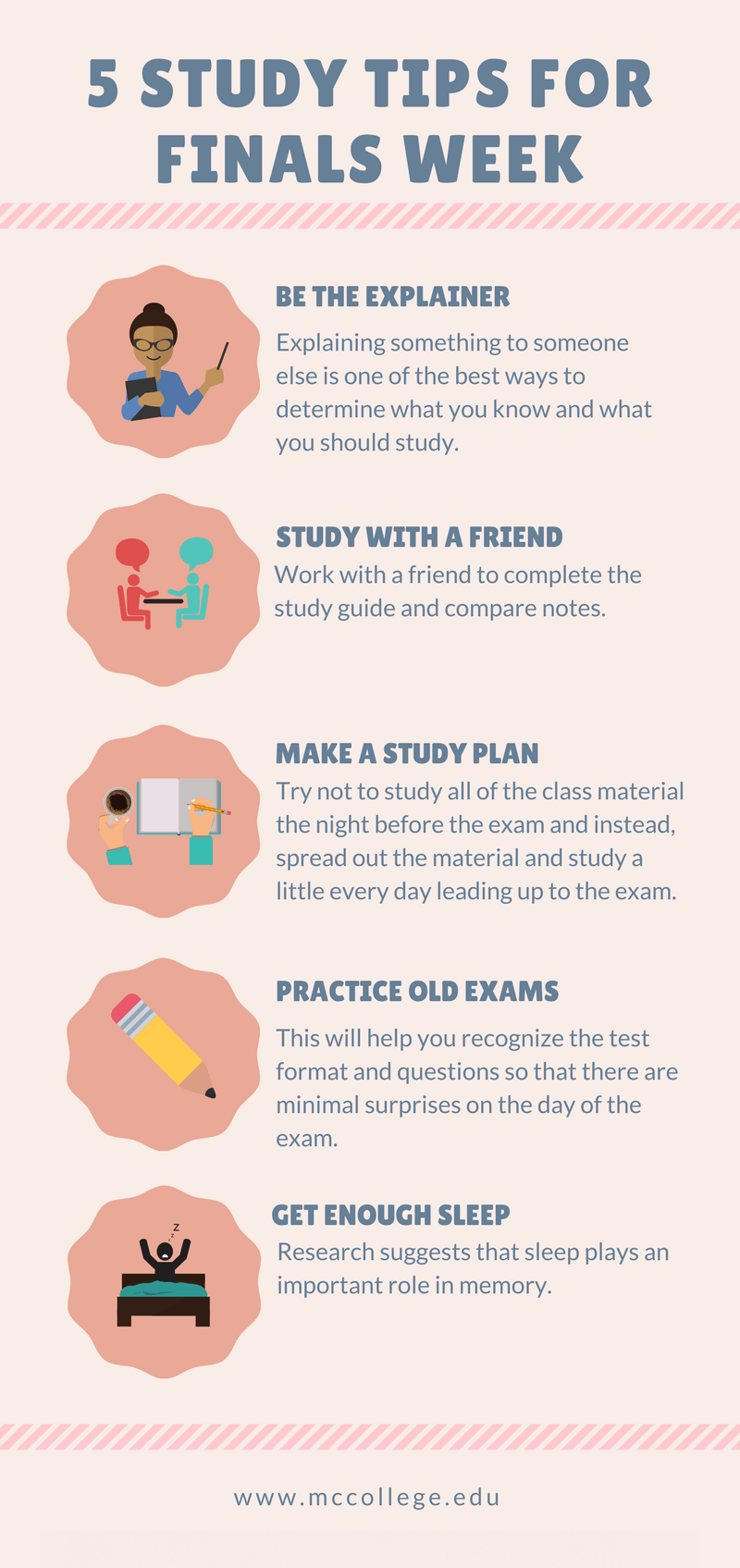
Studying effectively is essential for achieving academic success. Here are the Top 10 Study Hacks to Boost Your Grades that can transform your study sessions:
- Organize Your Study Space: A clutter-free, dedicated study area can significantly enhance your focus.
- Use Active Recall: Test yourself on the material instead of just reading it. This enhances memory retention.
- Practice Spaced Repetition: Review material over increasing intervals to strengthen long-term retention.
- Set Specific Goals: Break your study sessions into manageable tasks with clear objectives.
- Utilize Study Groups: Collaborative learning can introduce new perspectives and help clarify difficult concepts.
Additionally, consider these strategies to further elevate your study game:
- Take Regular Breaks: Use techniques like the Pomodoro Technique to maintain high levels of productivity without burnout.
- Create Visual Aids: Diagrams and flashcards can make memorization easier and more effective.
- Limit Distractions: Turn off notifications on your devices and set aside uninterrupted time for studying.
- Teach What You've Learned: Explaining concepts to others can consolidate your understanding immensely.
- Stay Healthy: Don’t underestimate the impact of good nutrition, proper hydration, and sufficient sleep on your cognitive functions.
How Can Mind Mapping Enhance Your Learning?
Mind mapping is a powerful cognitive tool that can significantly enhance your learning experience. By visually organizing information, mind maps help learners grasp complex concepts more readily. This technique allows you to break down large amounts of information into manageable sections, making it easier to understand and remember. Studies have shown that visual aids like mind maps improve retention rates and foster creative thinking. Key benefits include increased engagement, better recall, and enhanced problem-solving abilities.
Furthermore, the process of creating a mind map engages both the left and right hemispheres of the brain, promoting holistic learning. As you draw connections between ideas, this technique encourages a more profound understanding of the subject matter. Incorporating mind mapping into your study routine can lead to substantial improvements in academic performance. By structuring your thoughts visually, you not only organize your knowledge but also stimulate creativity and deepen your insight into complex topics.
The Science of Spaced Repetition: Retain More Information with Less Effort
The science of spaced repetition is a powerful learning technique grounded in cognitive psychology that optimizes the timing of reviews for maximum retention. Instead of cramming information all at once, spaced repetition encourages learners to revisit material at gradually increasing intervals. This method is based on the Forgetting Curve, which illustrates how information is lost over time if not actively reinforced. By strategically spacing out reviews, learners can significantly enhance their long-term memory, allowing them to retain more information with less effort.
Implementing spaced repetition in your study routine can be made simple with the help of various tools and apps, such as Anki and Quizlet. These platforms automate the review process based on your performance, ensuring that you encounter challenging material more frequently while allowing easier content to appear less often. As a result, spaced repetition not only reduces cognitive load but also makes learning more efficient and enjoyable, ultimately leading to better academic and professional outcomes.